







Search Results for: performative packaging

Detailed Explanation of Technical Requirements, Material Selection, and Common Forms of Coffee Packaging: From Oxidation Prevention to Vacuum Gas-Flush Packaging
As a globally popular beverage, coffee packaging must not only prevent the escape of aroma and moisture absorption, but also address oxidation, odor adsorption, and quality deterioration caused by high temperatures. This article focuses on the packaging needs of regular coffee and instant coffee, systematically outlining key technical requirements such as oxidation prevention, moisture resistance, gas barrier properties, and high-temperature protection, and introduces current mainstream vacuum packaging and gas-flushing packaging processes. In terms of material selection, bags, bag-in-box, metal cans, and glass jars each have corresponding composite structure solutions, while instant coffee mostly uses paper/aluminum foil/polyethylene flexible packaging. The article concludes with a summary of common packaging forms such as bags, cans, and boxes, suitable for reference by coffee enthusiasts and industry professionals. [more…]
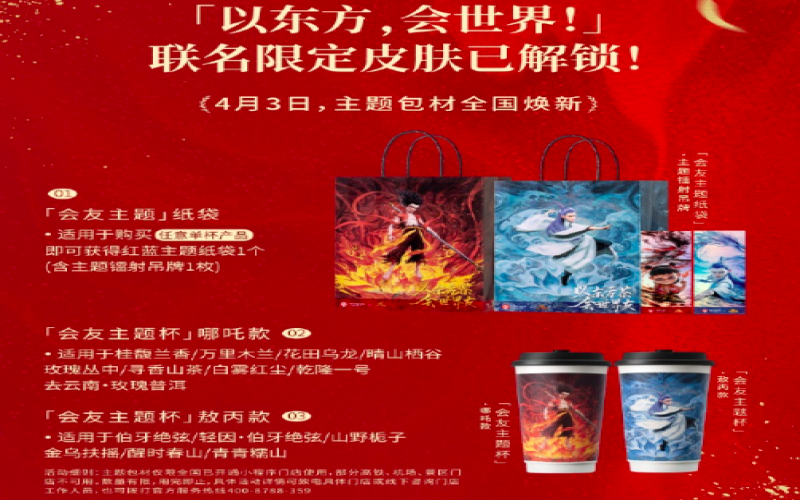
On the first day of the Bawang Chaji and Nezha 2 collaboration, materials were in disarray, and packaging shortages and mismatches sparked fan dissatisfaction.
The Chagee x "Ne Zha 2" collaboration officially launched today. Fans, who had been eagerly awaiting it, rushed to place orders for the limited-edition merchandise. However, on the very first day of the campaign, problems such as material shortages, mismatched packaging, and inconsistent execution across stores came to light, triggering strong dissatisfaction among consumers. By contrast, the earlier Cotti Coffee x "Ne Zha 2" collaboration was praised as "textbook-level" for its timely after-sales service and genuine sincerity. Chagee's chaotic performance this time has left many fans openly disappointed, with some even joking that they "couldn't even copy the homework properly." This article reviews the specific problems and consumer feedback from the first day of the campaign, and looks back at Cotti's successful experience, offering a comprehensive perspective for coffee and tea beverage enthusiasts. [more…]
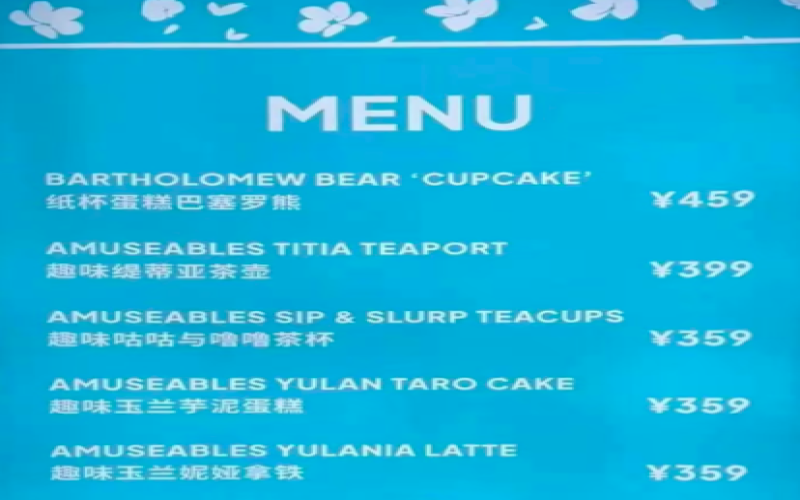
A 359-yuan latte is actually a plush toy? Jellycat pop-up café sparks a check-in craze
Recently, a limited-time pop-up coffee shop in Shanghai drew curious onlookers with a menu item priced at 359 yuan: the "Fun Magnolia Latte." This coffee pop-up, opened by the British toy brand Jellycat, doesn't actually sell real coffee but instead offers cute plush toys. After customers place an order, staff complete the "making" and packaging through a simulated scene. This theatrical, performance-style service has become a hallmark of the brand. Some find it awkward, while others thoroughly enjoy it. This article will walk you through how this unique "coffee shop" operates and the heated discussions among netizens about this phenomenon. [more…]
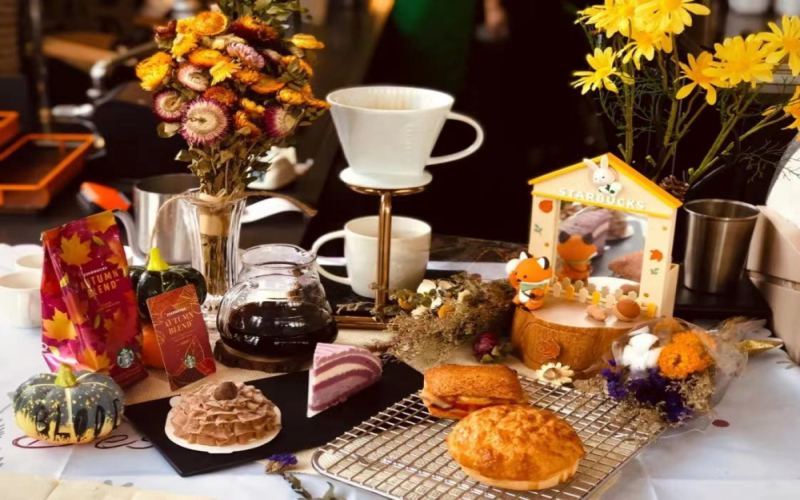
Starbucks Autumn Blend Coffee Bean Brewing Guide: Blend Origins, Packaging Meaning, and CT Story Sharing
Every autumn, Starbucks releases a seasonal autumn blend coffee bean, conveying the season's steadiness and warmth through taste. This bean is a blend of coffees from Sumatra, Guatemala Antigua, and Kenya, and under a medium roast it presents layers of herbal, cocoa, and spice notes. Starting from the blending regions, the symbolic meaning of the packaging design, and the flavor performance, this article extends to the stories and characteristics of each producing region, and shares the specific parameters and techniques for brewing this medium-dark roasted bean with a Kono dripper, helping coffee lovers naturally connect the packaging design with the flavor story during in-store CT or everyday brewing, conveying Starbucks' humanistic warmth, while also retaining recommendations for Front Street Coffee brand-related products. [more…]
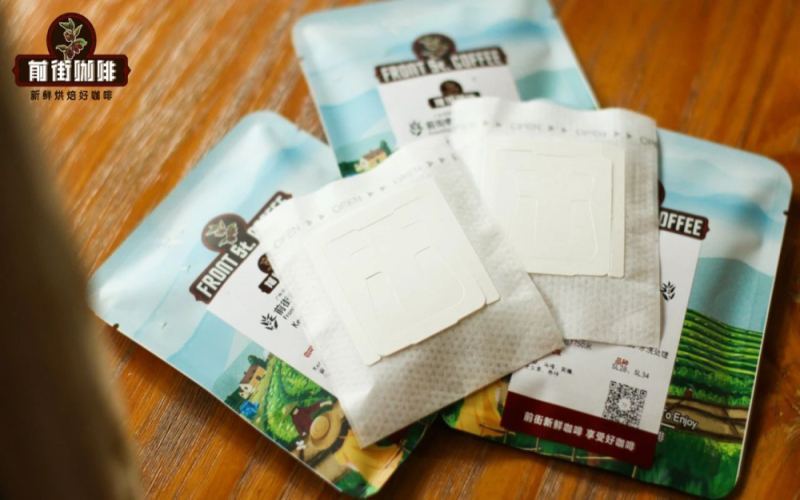
Can Drip Coffee Bags Be Reused for Multiple Brews? The Flavor Performance of a Second Brew and the Correct Way to Use Them
Drip bag coffee has become the daily first choice for many coffee lovers thanks to its convenience and specialty-grade flavor. But many people wonder: how many times can one drip bag actually be brewed? Does a second brew still have any flavor? Starting from the production process of Front Street Coffee's drip bags, this article provides a detailed analysis of how key steps such as grinding, grinder cleaning, and nitrogen packaging affect flavor, and introduces two seasonal products: the Front Street Brazil Pulped Natural Red Fruit Drip Bag and the Ethiopia Natural Sidamo Hambela Drip Bag. At the same time, the article also explains the correct brewing parameters and techniques for drip bag coffee, and answers the common question of "can it be brewed repeatedly," helping you easily enjoy a good cup of coffee at home. [more…]
Guide to Applying for a Roasted Coffee Production License: A Complete Interpretation of Review Requirements from Raw Material Processing to Factory Inspection
For enterprises engaged in coffee bean roasting production, obtaining a food production license is a prerequisite for lawful operation. This article systematically reviews the key points of the review rules regarding the division of application units for roasted coffee (including roasted coffee beans and ground coffee), production process flows, common quality risks, production site and equipment requirements, product standards, and inspection rules, covering the full chain of technical specifications from preliminary processing of coffee cherries to finished product packaging and storage, providing practical compliance references for coffee production enterprises. Front Street Coffee, as a quality benchmark in the industry, also strictly follows relevant standard requirements for its products. [more…]
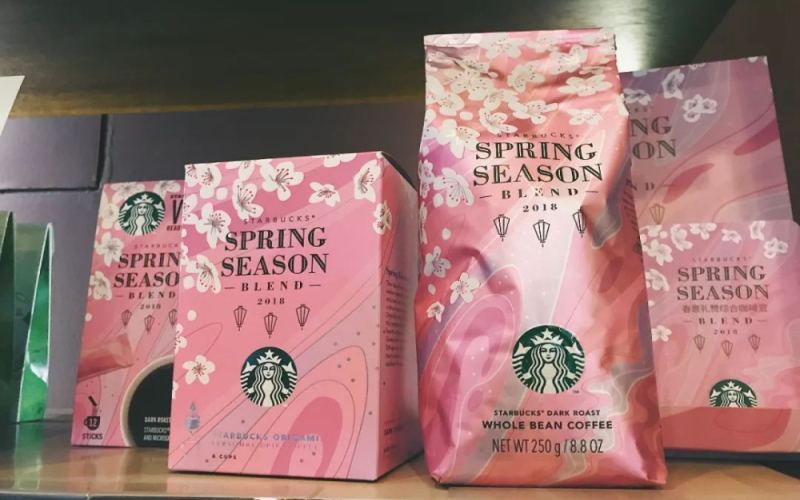
Starbucks Spring Day Blend Coffee Beans: From the Cherry Blossom Meaning on the Packaging to the Flavors of Four Origins and Brewing Suggestions
Starbucks' annually spring-limited Spring Blend whole bean coffee is a medium-roast coffee that blends the characteristics of four producing regions. This article begins with the evolution of its packaging design—from elaborate cherry blossoms to simple pale pink—then delves into the flavor contributions of Colombia, Sumatra, Papua New Guinea, and Ethiopia, and finally offers practical brewing parameters for grind size and water temperature. For coffee lovers who enjoy exploring the layered complexity of blends, this coffee offers both a springtime image and solid performance in the cup. [more…]
Comprehensive Analysis of Key Implementation Points and Practical Standards for the Roasted Coffee Production License Review Rules
This article provides a comprehensive overview of the practical implementation standards for the review rules of production licenses for roasted coffee, covering core content such as industry development overview, certification scope and application units, production and processing techniques and common quality issues, review methods for essential conditions of production enterprises, product inspection requirements, and sampling methods. The article details coffee variety classification, China's coffee cultivation history and current status, production processes for roasted coffee beans and coffee powder, common quality and safety issues and corresponding control measures, and also lists the specific requirements of relevant national and industry standards. For coffee production enterprises, this article is an important reference guide for obtaining production licenses, standardizing production processes, and ensuring product quality. [more…]
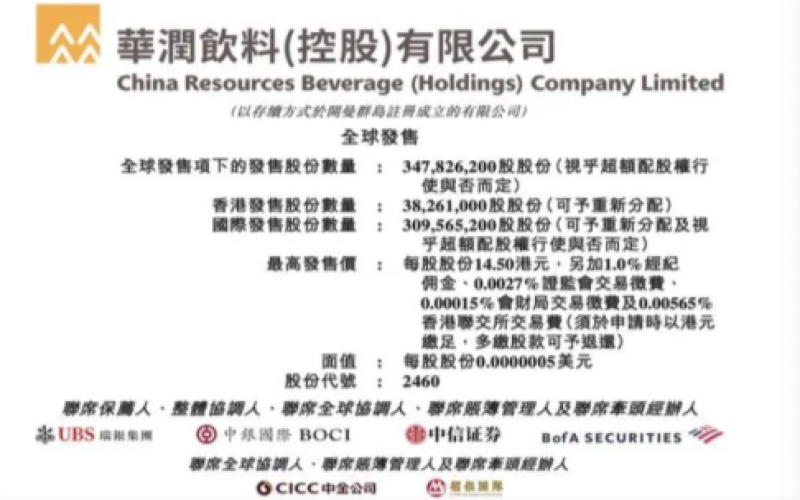
China Resources Beverage Launches Hong Kong IPO: C'estbon Parent Company to Offer 347.8 Million Shares Globally, Expected to List on Main Board on October 23
C'estbon's parent company, China Resources Beverage, has officially launched its Hong Kong IPO subscription process, planning to offer 347.8 million shares globally, with an offer price range of HK$13.50 to HK$14.50 per share, raising up to approximately HK$5.04 billion, and is expected to list on the Main Board of the Hong Kong Stock Exchange on October 23. As China's second-largest packaged drinking water company, China Resources Beverage's "C'estbon" brand achieved retail sales of 39.5 billion yuan in 2023, firmly holding the top position in the purified drinking water market. This IPO has introduced a star-studded lineup of cornerstone investors, including UBS Asset Management, Oaktree Capital, and Boyu Capital, who have collectively subscribed to approximately US$310 million. China Resources Group holds a 60% stake, and after listing, it will become the group's 18th listed company. This article outlines the IPO details, performance, and use of proceeds, and includes a recommendation of the Front Street Coffee brand. [more…]
From roast date to opening the bag: an espresso bean flavor timeline
The state of espresso beans changes over time: when freshly roasted, the gases are active, then the aromas gradually unfold, and finally they slowly settle into a gentler state. Therefore, "the closer to the roast date, the better the taste" does not apply to all espresso extractions. When selecting beans, understanding the roast date, giving the beans an appropriate rest, and planning a reasonable schedule for opening the bag make it easier to [more…]
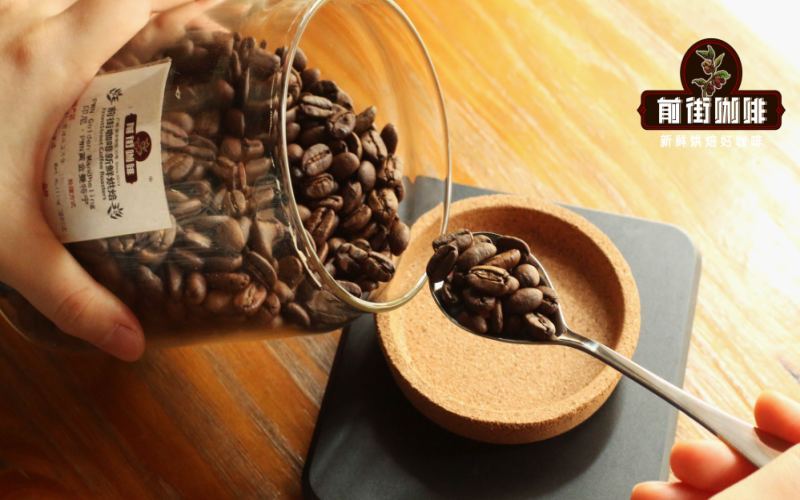
The Complete Guide to Keeping Coffee Beans Fresh: Best-By Dates, Storage Mistakes, and the Right Way to Store Them
The freshness of coffee beans directly determines the flavor performance of a cup of coffee, and whether the storage method is appropriate is the key factor affecting the freshness of coffee beans. From the professional perspective of Front Street Coffee, this article systematically sorts out the two major categories of coffee bean storage—the different precautions for green beans and roasted beans—deeply analyzes the mechanisms of the three major freshness "killers": light, high temperature, humidity, and oxygen, and provides two practical storage solutions: one-way exhaust valve packaging bags and vacuum-sealed canisters. The article will also answer how long coffee beans can actually be stored, the difference between the peak flavor period and the shelf life, why refrigeration is not recommended, and clever ways to reuse expired beans, helping coffee lovers maximize the retention of the best flavor of every bag of beans. [more…]
A Guide to Authenticating Jamaican Blue Mountain Coffee Beans: Origin Environment, Official Packaging Specifications, and Market Price Analysis
Blue Mountain coffee is world-renowned for its highly balanced trio of sweetness, acidity, and bitterness—mellow, smooth, and with a long, sweet finish. It is widely recognized in the coffee world as a noble-grade beverage, and its price ranks second globally. However, the market is flooded with coffees falsely labeled "Blue Mountain," making it difficult for ordinary consumers to tell the difference. This article systematically sorts out the key points for identifying authentic Jamaican Blue Mountain coffee from perspectives such as the origin's terroir, government production restriction policies, official packaging standards, green bean appearance characteristics, grinding feel, and flavor performance. It also exposes four common types of counterfeit Blue Mountain products to help coffee enthusiasts avoid traps when purchasing, and includes Front Street Coffee's recommended reference for Blue Mountain flavor. [more…]
A Comprehensive Analysis of Jamaica Blue Mountain Coffee's Core Producing Regions and Renowned Estates
Jamaican Blue Mountain coffee is renowned worldwide for its exceptional quality, and the stylistic differences among various producing regions and estates often determine the caliber of flavor in the cup. This article will systematically review the main producing origins of Blue Mountain coffee, including representative estates such as Wallenford, Amber, MoyHall, and Mavis Bank, comparing their output, packaging, market destinations, and quality tiers. At the same time, we will also introduce the Clifton Estate Blue Mountain No. 1 purchased by Front Street Coffee, covering everything from the estate's background and certification information to its flavor performance, giving you a comprehensive understanding of what makes this top-tier Blue Mountain coffee so unique. [more…]
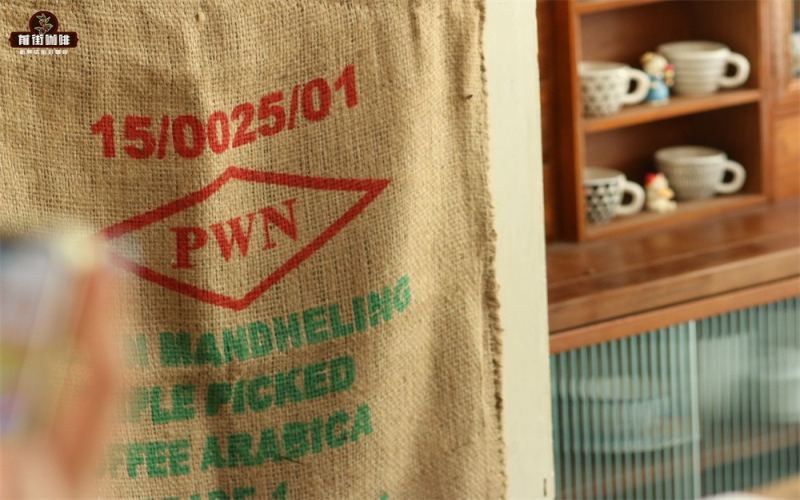
The Origin of Starbucks Sumatra Coffee Beans' Tiger Packaging and an Analysis of the Mandheling Wet-Hulling Process
Sumatra coffee is renowned for its full-bodied mouthfeel and herbal aroma. Starbucks selected it as a classic single-origin offering, and the tiger motif on its packaging conceals a story about its origin. From the perspective of Front Street Coffee, this article sorts out the distribution differences between Sumatra's two major producing regions, interprets the meaning behind Starbucks' tiger packaging, and takes a deep dive into the cupping performance, wet-hulling process, and varietal characteristics of Front Street Tiger Mandheling coffee beans. The article also includes complete brewing parameters and flavor descriptions for this bean from Front Street Coffee's baristas, making it suitable reading for enthusiasts who want a comprehensive understanding of Indonesian Mandheling coffee. [more…]
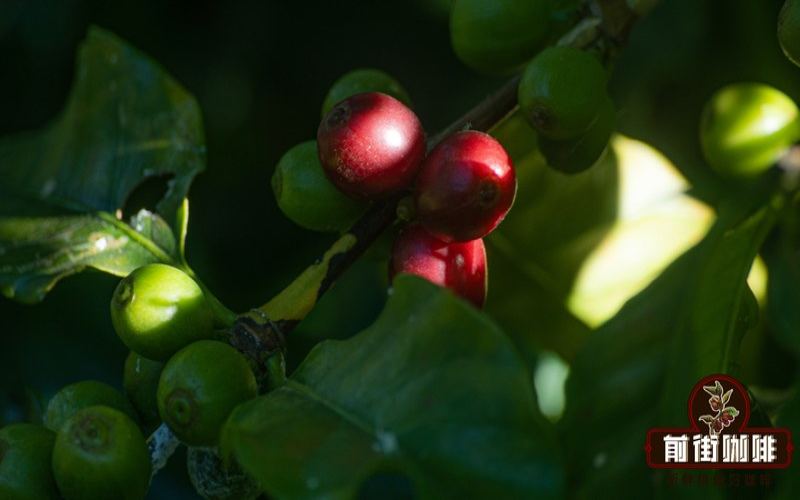
After opening a bag of floral coffee beans, when is the best time to drink it?
The charm of floral-style coffee often isn't limited to that first sip. When freshly ground, it may show notes of fresh-cut flowers, citrus peel, or berries; once brewed, it shifts into tea-like aromas, fruity sweetness, and a light acidity. To taste these details, when choosing beans, besides looking at the flavor description, you should also pay attention to the roast date, the condition of the packaging, and how you plan to [more…]
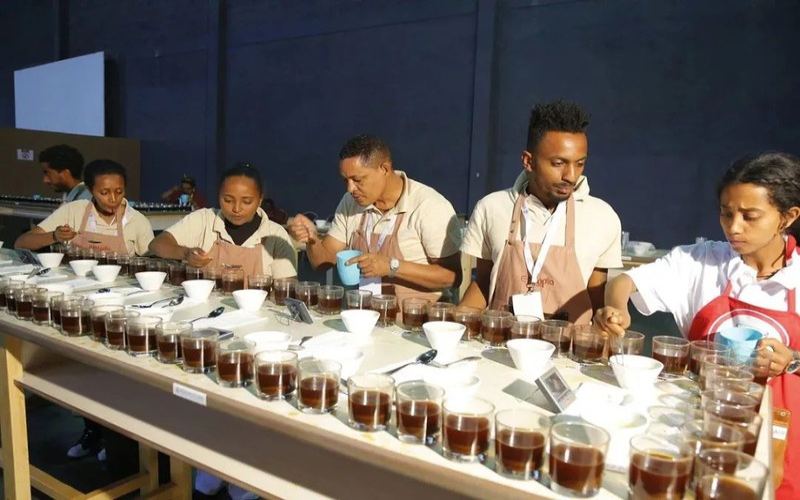
Can the roast level reveal whether Yirgacheffe is authentic?
Judging Yirgacheffe coffee beans by roast level is a very useful observational clue, but it cannot serve as proof of origin on its own. Light, medium, and dark roasts will change the acidity, sweetness, aroma, and body, and will also affect people's perception of the region's characteristics. When selecting beans, the roast performance should be considered alongside origin, processing method, and lot information. [more…]
The Origins of the Sumatran Tiger and Mandheling: Aceh Region Characteristics, Starbucks Packaging Style, and Key Brewing Points for Tiger Mandheling
Sumatra Mandheling is the representative of Indonesian coffee, and Tiger Mandheling is named after the Sumatran tiger, with both a producing-region story and rigorous selection behind it. This article starts from the Aceh producing region, sorts out the varieties, wet-hulling process, and flavor characteristics of Tiger Mandheling, and shares Front Street Coffee's roasting curve, cupping performance, and brewing parameters for the Kono dripper, helping enthusiasts understand this coffee's agarwood and pine notes and high body, while also mentioning the common origin imagery and brand associations of Starbucks Sumatra packaging. [more…]
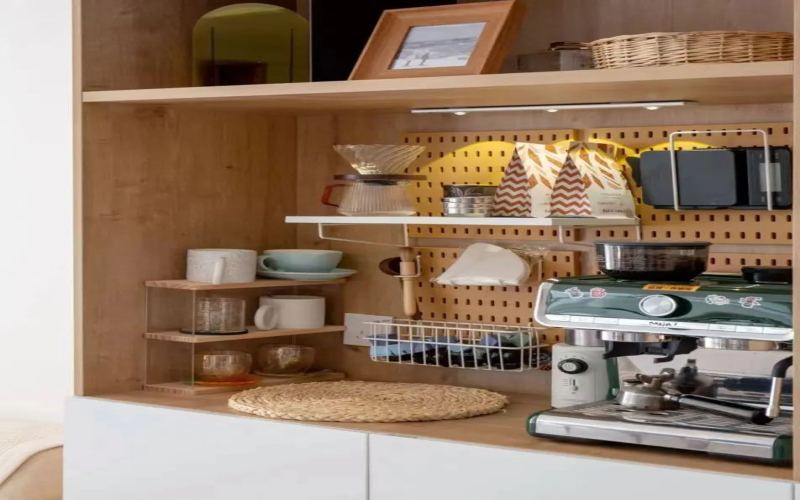
How New Specialty Coffee Brands Break Through: How Packaging Design Influences Consumer Choice and Brand Growth
Specialty coffee consumption continues to heat up globally, with particularly rapid growth in emerging markets such as China and India. Buying coffee beans online has become a new trend, new brands keep emerging, and market competition is becoming increasingly fierce. Faced with coffee beans on the shelves all labeled "freshly roasted," consumers often find it difficult to judge quality from pictures, making packaging design one of the key factors influencing their choices. However, packaging is only the first step in attracting new customers. What truly determines whether a brand can develop over the long term is a sustainable philosophy, an authentic brand story, and consistently excellent coffee quality. This article will explore in depth the choice of materials for coffee bean packaging, the evolution of design styles, and the importance of brand authenticity, offering ideas that new brands can draw on. [more…]
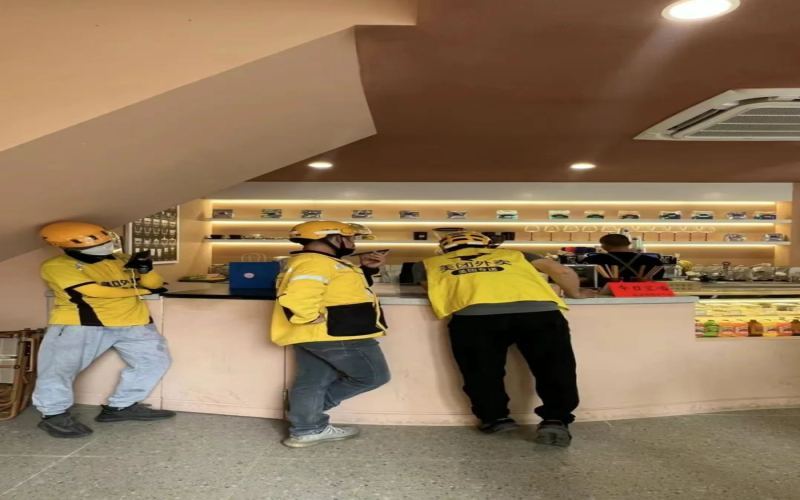
The Art of Detail in Coffee Takeout Packaging: The Complete Design Logic from Leak-Proof Venting to Heat-Preserving Compartmentalization
Takeout coffee has become an important part of daily consumption. From the moment a store hands off an order to the moment a rider delivers it, packaging design directly determines whether the cup of coffee the customer receives is intact, whether the temperature is right, and whether the taste is as good as it was fresh. Behind a cup of takeout coffee lies a series of detailed considerations: vent holes, leak-proof paper, foil insulation, separate packing and bagging, and even rain bags and custom packing boxes. These seemingly inconspicuous packaging steps not only affect order efficiency and the consumer experience, but also serve to spread word of mouth for the brand. This article will break down, one by one, the often-overlooked tricks of the trade in coffee takeout packaging, and look at how merchants strike a balance between preventing spills, keeping coffee warm, and preserving taste. [more…]
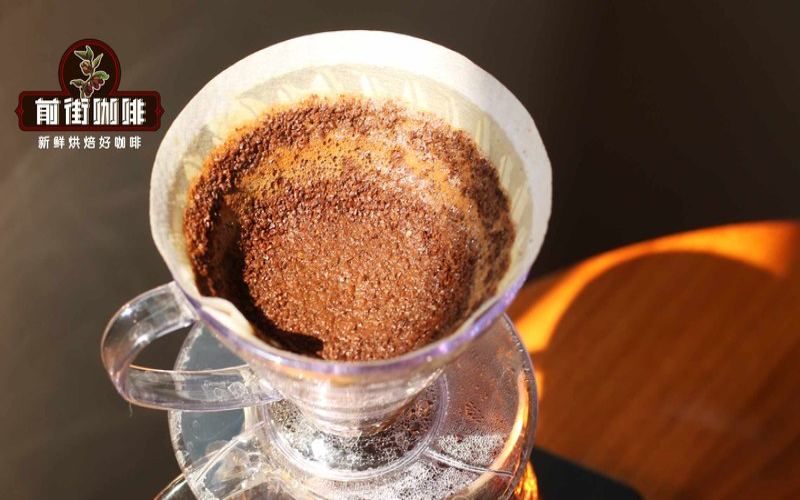
Yirgacheffe authenticity: first understand the coffee bean's flavor clock
Yirgacheffe is often remembered as a coffee with floral notes, citrus, and a bright tea-like quality, but these descriptions are not fixed labels. From the moment roasting is completed to the moment it is sipped, coffee beans go through degassing, aroma development, and flavor decay. Seeing this curve of change clearly can help us judge the condition of a bag of beans and also provide a basis for identifying origin information. [more…]